
-
Table of Contents
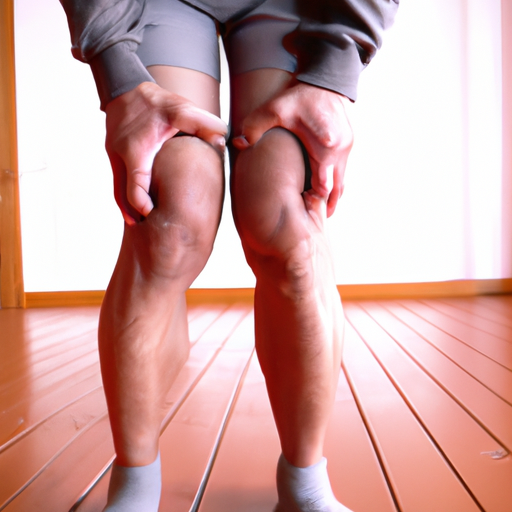
Dull, aching thigh pain can be a bothersome symptom that may have various underlying causes. In this article, we will explore seven possible causes of this type of pain, as well as potential treatment options and when to seek medical attention.
Common Causes of Dull, Aching Thigh Pain
Dull, aching thigh pain can be a bothersome and uncomfortable experience. It can interfere with daily activities and make it difficult to move around freely. Understanding the common causes of this type of pain is essential in order to find the appropriate treatment and relief.
One possible cause of dull, aching thigh pain is muscle strain. This occurs when the muscles in the thigh are overworked or stretched beyond their limits. This can happen during physical activities such as running, jumping, or lifting heavy objects. Treatment for muscle strain typically involves rest, ice, compression, and elevation (RICE), as well as over-the-counter pain medications.
Another common cause of thigh pain is a condition called iliotibial band syndrome (ITBS). This occurs when the iliotibial band, a thick band of tissue that runs along the outside of the thigh, becomes inflamed. ITBS is often seen in runners and can cause pain and discomfort on the outer side of the thigh. Treatment for ITBS may include rest, physical therapy, and the use of a foam roller to stretch and massage the affected area.
Thigh pain can also be caused by a condition known as meralgia paresthetica. This occurs when the lateral femoral cutaneous nerve, which supplies sensation to the outer thigh, becomes compressed or irritated. Meralgia paresthetica can cause a burning or tingling sensation in the thigh, as well as numbness or sensitivity to touch. Treatment for this condition may involve wearing looser clothing, losing weight if necessary, and taking over-the-counter pain medications.
In some cases, dull, aching thigh pain may be a symptom of a more serious underlying condition, such as deep vein thrombosis (DVT). DVT occurs when a blood clot forms in a deep vein, usually in the leg. This can cause pain, swelling, and warmth in the affected area. If left untreated, DVT can lead to a potentially life-threatening condition called pulmonary embolism. Treatment for DVT typically involves blood thinning medications to dissolve the clot and prevent further complications.
Arthritis can also be a cause of thigh pain. Osteoarthritis, the most common form of arthritis, occurs when the protective cartilage that cushions the joints wears down over time. This can lead to pain, stiffness, and swelling in the affected joint, including the hip or knee joint in the thigh. Treatment for arthritis may include pain medications, physical therapy, and lifestyle modifications such as weight loss and regular exercise.
In some cases, thigh pain may be referred pain from another area of the body. For example, a herniated disc in the lower back can cause pain that radiates down the leg and into the thigh. Treatment for referred pain may involve addressing the underlying cause, such as physical therapy or surgery to repair the herniated disc.
Lastly, stress fractures can also cause dull, aching thigh pain. These are small cracks in the bone that occur due to repetitive stress or overuse. Stress fractures are commonly seen in athletes and can cause pain, swelling, and tenderness in the affected area. Treatment for stress fractures typically involves rest, immobilization with a cast or brace, and sometimes surgery for more severe cases.
In conclusion, dull, aching thigh pain can have various causes, ranging from muscle strain to more serious conditions such as deep vein thrombosis or arthritis. It is important to seek medical attention if the pain persists or worsens, as proper diagnosis and treatment are crucial for finding relief. Whether it is through rest, physical therapy, medication, or other interventions, addressing the underlying cause of thigh pain is essential for restoring comfort and mobility.
Effective Treatment Options for Dull, Aching Thigh Pain
Dull, Aching Thigh Pain: 7 Possible Causes, Treatment & Effective Treatment Options for Dull, Aching Thigh Pain
Thigh pain can be a bothersome and uncomfortable experience. Whether it’s a dull ache or a sharp, shooting pain, it can greatly impact your daily activities and quality of life. Understanding the possible causes of thigh pain is crucial in finding the most effective treatment options.
One common cause of dull, aching thigh pain is muscle strain or overuse. This can occur from activities such as running, jumping, or lifting heavy objects. Resting the affected leg, applying ice packs, and taking over-the-counter pain medications can help alleviate the pain. Physical therapy exercises may also be recommended to strengthen the muscles and prevent future injuries.
Another possible cause of thigh pain is a condition called femoral nerve compression. This occurs when the nerve that runs through the thigh becomes compressed or irritated. Symptoms may include pain, numbness, or weakness in the thigh. Treatment options for femoral nerve compression include physical therapy, pain medications, and in severe cases, surgery to relieve the pressure on the nerve.
Thigh pain can also be a symptom of a more serious condition such as deep vein thrombosis (DVT). DVT occurs when a blood clot forms in a deep vein, usually in the leg. This can cause swelling, pain, and warmth in the affected area. Treatment for DVT typically involves blood thinning medications to prevent the clot from getting larger or breaking off and causing a pulmonary embolism. Compression stockings may also be recommended to improve blood flow and reduce swelling.
In some cases, thigh pain may be caused by a stress fracture. This is a small crack in the bone that occurs due to repetitive stress or overuse. Resting the affected leg, using crutches to avoid putting weight on the leg, and wearing a brace or cast can help promote healing. In severe cases, surgery may be necessary to stabilize the fracture.
Arthritis is another possible cause of thigh pain. Osteoarthritis, the most common form of arthritis, occurs when the protective cartilage in the joints wears down over time. This can lead to pain, stiffness, and swelling in the thigh. Treatment options for arthritis include pain medications, physical therapy, and lifestyle modifications such as weight loss and low-impact exercises.
In rare cases, thigh pain may be a symptom of a tumor or cancer. If the pain is persistent, worsening, or accompanied by other concerning symptoms, it is important to seek medical attention for further evaluation and diagnosis. Treatment for tumors or cancer may involve surgery, radiation therapy, or chemotherapy, depending on the specific diagnosis.
Regardless of the cause of thigh pain, there are several effective treatment options available. In addition to the specific treatments mentioned for each condition, there are general measures that can help alleviate pain and promote healing. These include rest, applying ice or heat packs, elevating the leg, and wearing supportive footwear. It is important to consult with a healthcare professional to determine the underlying cause of thigh pain and develop an appropriate treatment plan.
In conclusion, dull, aching thigh pain can have various causes, ranging from muscle strain to more serious conditions such as DVT or cancer. Understanding the possible causes and seeking appropriate medical attention is crucial in finding effective treatment options. Whether it’s rest, physical therapy, medications, or surgery, there are treatment options available to alleviate thigh pain and improve your overall well-being.
Lifestyle Changes to Alleviate Dull, Aching Thigh Pain
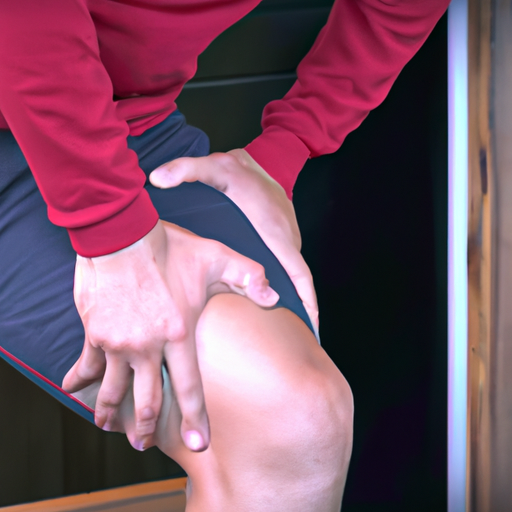
Dull, Aching Thigh Pain: 7 Possible Causes, Treatment & Lifestyle Changes to Alleviate Dull, Aching Thigh Pain
If you’ve been experiencing dull, aching thigh pain, you’re not alone. Many people suffer from this discomfort, which can range from mild to severe. While there are several possible causes for this type of pain, it’s important to understand that it can often be alleviated through lifestyle changes. In this article, we will explore seven possible causes of dull, aching thigh pain and discuss the treatment options available, as well as lifestyle changes that can help alleviate the discomfort.
One common cause of dull, aching thigh pain is muscle strain or overuse. This can occur from activities such as running, cycling, or even sitting for long periods of time. Treatment for muscle strain typically involves rest, ice, compression, and elevation. Additionally, incorporating stretching and strengthening exercises into your routine can help prevent future episodes of thigh pain.
Another possible cause of thigh pain is a condition called iliotibial band syndrome (ITBS). This occurs when the iliotibial band, a thick band of tissue that runs along the outside of the thigh, becomes inflamed. ITBS is often caused by repetitive motion, such as running or cycling. Treatment for ITBS may include rest, physical therapy, and the use of a foam roller to stretch and massage the affected area.
In some cases, dull, aching thigh pain may be a symptom of a more serious condition, such as deep vein thrombosis (DVT). DVT occurs when a blood clot forms in a deep vein, usually in the leg. This can cause pain, swelling, and warmth in the affected area. If you suspect you may have DVT, it’s important to seek medical attention immediately, as this condition can be life-threatening. Treatment for DVT typically involves blood thinning medications and lifestyle changes to reduce the risk of future blood clots.
Arthritis is another possible cause of thigh pain. Osteoarthritis, the most common form of arthritis, occurs when the protective cartilage that cushions the joints wears down over time. This can lead to pain, stiffness, and swelling in the affected joint. Treatment for arthritis may include medication, physical therapy, and lifestyle changes such as weight loss and low-impact exercise.
Sometimes, dull, aching thigh pain can be a result of nerve compression or damage. Conditions such as sciatica or meralgia paresthetica can cause pain, tingling, and numbness in the thigh. Treatment for nerve-related thigh pain may include physical therapy, medication, and lifestyle changes such as avoiding activities that aggravate the symptoms.
In some cases, dull, aching thigh pain may be a symptom of a more systemic condition, such as fibromyalgia or chronic fatigue syndrome. These conditions can cause widespread pain and fatigue throughout the body, including the thighs. Treatment for these conditions often involves a combination of medication, physical therapy, and lifestyle changes to manage symptoms.
Lastly, lifestyle changes can play a significant role in alleviating dull, aching thigh pain. Maintaining a healthy weight, engaging in regular exercise, and practicing good posture can all help reduce the risk of developing thigh pain. Additionally, incorporating stretching and strengthening exercises into your routine can help prevent muscle strain and improve overall leg strength.
In conclusion, dull, aching thigh pain can have several possible causes, ranging from muscle strain to more serious conditions such as DVT or arthritis. However, in many cases, lifestyle changes can play a significant role in alleviating the discomfort. By incorporating regular exercise, maintaining a healthy weight, and practicing good posture, you can help reduce the risk of developing thigh pain and improve overall leg strength. If you’re experiencing persistent or severe thigh pain, it’s important to consult with a healthcare professional to determine the underlying cause and develop an appropriate treatment plan.
When to Seek Medical Help for Dull, Aching Thigh Pain
Dull, Aching Thigh Pain: 7 Possible Causes, Treatment & When to Seek Medical Help for Dull, Aching Thigh Pain
Thigh pain can be a bothersome and uncomfortable experience. While it is often caused by muscle strain or overuse, there are several other potential causes that should not be ignored. In this article, we will explore seven possible causes of dull, aching thigh pain, as well as treatment options and when it is necessary to seek medical help.
One common cause of thigh pain is muscle strain or overuse. This can occur from activities such as running, jumping, or lifting heavy objects. Rest, ice, compression, and elevation (RICE) are often recommended for treating muscle strains. Additionally, over-the-counter pain relievers can help alleviate discomfort.
Another possible cause of thigh pain is a hamstring injury. The hamstrings are a group of muscles located at the back of the thigh. Straining or tearing these muscles can result in sharp pain and limited mobility. Treatment for hamstring injuries typically involves rest, physical therapy, and sometimes surgery for severe cases.
Thigh pain can also be a symptom of a stress fracture. Stress fractures are small cracks in the bone that occur due to repetitive stress or overuse. Rest and avoiding activities that exacerbate the pain are crucial for healing stress fractures. In some cases, a cast or brace may be necessary to immobilize the affected area.
In rare cases, thigh pain may be a sign of a more serious condition such as deep vein thrombosis (DVT). DVT occurs when a blood clot forms in a deep vein, usually in the leg. This condition requires immediate medical attention as it can lead to a life-threatening pulmonary embolism. Treatment for DVT typically involves blood thinners to prevent further clotting.
Another potential cause of thigh pain is meralgia paresthetica. This condition occurs when the lateral femoral cutaneous nerve, which supplies sensation to the outer thigh, becomes compressed or irritated. Treatment for meralgia paresthetica may include wearing looser clothing, losing weight, or taking medications to alleviate nerve pain.
Thigh pain can also be a symptom of osteoarthritis, a degenerative joint disease that causes the cartilage in the joints to wear down over time. Treatment for osteoarthritis may include pain medication, physical therapy, and lifestyle modifications such as weight loss and low-impact exercise.
Lastly, thigh pain can be a result of referred pain from the lower back or hip. Conditions such as herniated discs or sciatica can cause pain that radiates down the leg and into the thigh. Treatment for referred pain often involves addressing the underlying cause, such as physical therapy or surgery.
While many cases of thigh pain can be managed at home with rest and self-care measures, there are instances when it is necessary to seek medical help. If the pain is severe, persistent, or accompanied by other concerning symptoms such as swelling, redness, or difficulty walking, it is important to consult a healthcare professional. Additionally, if the pain is sudden and accompanied by shortness of breath or chest pain, it may be a medical emergency and immediate medical attention should be sought.
In conclusion, dull, aching thigh pain can have various causes, ranging from muscle strain to more serious conditions such as DVT or osteoarthritis. Treatment options depend on the underlying cause and may include rest, physical therapy, medication, or surgery. It is important to pay attention to the severity and duration of the pain, as well as any accompanying symptoms, to determine when medical help is necessary.
Preventive Measures for Dull, Aching Thigh Pain
Dull, Aching Thigh Pain: 7 Possible Causes, Treatment & Preventive Measures
Thigh pain can be a bothersome and uncomfortable experience that can hinder your daily activities. While there are various causes for this type of pain, it is essential to understand the preventive measures that can help alleviate and avoid it altogether.
One of the most common causes of dull, aching thigh pain is muscle strain or overuse. This can occur from activities such as running, jumping, or even prolonged sitting. To prevent this type of pain, it is crucial to engage in regular stretching and strengthening exercises for the thigh muscles. This can help improve their flexibility and endurance, reducing the risk of strain.
Another possible cause of thigh pain is nerve compression or irritation. Conditions such as sciatica or meralgia paresthetica can lead to radiating pain down the thigh. To prevent this, it is important to maintain good posture and avoid prolonged sitting or standing in one position. Regular exercise, particularly activities that promote core strength and flexibility, can also help alleviate pressure on the nerves.
In some cases, thigh pain may be a result of an underlying medical condition such as arthritis or bursitis. These conditions can cause inflammation and discomfort in the thigh joint. To prevent this type of pain, it is advisable to maintain a healthy weight and engage in low-impact exercises that do not put excessive strain on the joints. Additionally, using proper techniques and equipment during physical activities can help reduce the risk of joint damage.
Vascular issues can also contribute to thigh pain. Conditions like deep vein thrombosis or peripheral artery disease can cause cramping and aching in the thighs. To prevent these conditions, it is important to maintain a healthy lifestyle by eating a balanced diet, exercising regularly, and avoiding smoking. Staying hydrated and avoiding prolonged periods of immobility, such as sitting for long flights or car rides, can also help reduce the risk of developing vascular-related thigh pain.
Sometimes, thigh pain can be a symptom of a stress fracture or other bone-related issues. To prevent these types of injuries, it is crucial to gradually increase the intensity and duration of physical activities to allow the bones to adapt and strengthen. Wearing appropriate footwear and using proper techniques during exercise can also help reduce the risk of stress fractures.
In rare cases, thigh pain may be a sign of a more serious condition such as a tumor or infection. If you experience persistent or worsening thigh pain, it is important to seek medical attention for a proper diagnosis and treatment.
In conclusion, preventing dull, aching thigh pain involves a combination of lifestyle modifications and proper self-care. Regular exercise, maintaining a healthy weight, and using proper techniques during physical activities can help reduce the risk of muscle strain, nerve compression, and joint-related pain. Additionally, adopting a healthy lifestyle by eating a balanced diet, staying hydrated, and avoiding smoking can help prevent vascular-related thigh pain. Lastly, seeking medical attention for persistent or worsening thigh pain is crucial to rule out any underlying serious conditions. By taking these preventive measures, you can minimize the occurrence of thigh pain and enjoy a more comfortable and active lifestyle.
Q&A
1. What are some possible causes of dull, aching thigh pain?
– Muscle strain or overuse
– Nerve compression or irritation
– Arthritis or joint inflammation
– Deep vein thrombosis (blood clot)
– Sciatica or herniated disc
– Peripheral artery disease
– Hip or knee joint problems
2. How is dull, aching thigh pain typically treated?
– Rest and avoiding activities that worsen the pain
– Applying ice or heat to the affected area
– Taking over-the-counter pain relievers
– Physical therapy or stretching exercises
– Prescription medications for pain or inflammation
– In severe cases, surgery may be necessary
3. When should I seek medical attention for dull, aching thigh pain?
– If the pain is severe or persistent
– If there is swelling, redness, or warmth in the thigh
– If there is difficulty walking or bearing weight on the leg
– If the pain is accompanied by numbness or tingling
– If there is a history of recent trauma or injury to the thigh
4. Can dull, aching thigh pain be prevented?
– Maintaining a healthy weight and regular exercise
– Using proper techniques and equipment during physical activities
– Taking breaks and stretching during prolonged sitting or standing
– Wearing supportive shoes and avoiding high-impact activities
– Managing underlying conditions such as arthritis or diabetes
5. Are there any home remedies or self-care measures for dull, aching thigh pain?
– Resting and elevating the leg
– Applying ice or heat packs to the affected area
– Gentle stretching exercises or yoga
– Using over-the-counter pain relievers as directed
– Massaging the thigh muscles to promote relaxation and blood flowIn conclusion, dull, aching thigh pain can have various causes, including muscle strain, overuse injuries, nerve compression, arthritis, blood clot, hip or knee joint problems, and referred pain from other areas. Treatment options may include rest, ice or heat therapy, pain medication, physical therapy, stretching exercises, and in some cases, surgery. It is important to consult a healthcare professional for an accurate diagnosis and appropriate treatment plan.

Hi, I’m Pablo Garduno. I am a biohacking enthusiast, and Head Writer of SanDiegoHealth.org. I write the majority of the content on this site, and appreciate you taking the time to read my work.